What Waynesville Sellers Should Know Before Listing
June 25, 2026
June 25, 2026
If you are thinking about selling in Waynesville, listing your home is not just about picking a price and putting a sign in the yard. In a market where pricing can shift by source, timeline, and even ZIP code, small decisions can affect how fast your home sells and how close you get to your asking price. The good news is that with the right prep and a clear plan, you can avoid common mistakes and move forward with more confidence. Let’s dive in.
Waynesville is a smaller, mostly owner-occupied market, and that matters when you get ready to sell. The U.S. Census Bureau estimates 5,558 residents, a 62.9% owner-occupied housing rate, and a median owner-occupied home value of $200,000 for 2020 through 2024.
Recent housing data shows home values in the mid-$200,000s, but the exact number depends on the source. In spring 2026, Redfin reported a median sale price of $263,842 with homes selling in 28 days and a 99.1% sale-to-list ratio, while Realtor.com reported a median sold price of $265,197 and a median 41 days on market. Zillow also reported a median sale price near $263,167 and said homes were going pending in about 11 days in late May 2026.
The big takeaway is simple: correct pricing matters. Even though the numbers are not identical, they all point to a market where buyers are active and overpricing can cost you time.
Not every Waynesville home fits the same pricing story. Realtor.com shows a wide spread in median listing prices, from about $195,000 in 65550 to about $430,000 in 65556.
That is why nearby, property-specific comparable sales matter more than a broad city average. If you want a realistic list price, you need to look closely at homes similar to yours in location, size, condition, and features.
It is tempting to price high and “see what happens,” especially if you hope to leave room for negotiation. In Waynesville, that approach can backfire if buyers see better-priced options and move on.
When homes are priced in line with current competition and recent comparable sales, sellers often protect both momentum and negotiating strength. If a home sits too long, buyers may start to wonder what is wrong with it, even when the issue is simply the price.
A pricing plan should account for more than square footage. It should also reflect:
In a market with mixed data and neighborhood-level variation, local judgment is a real advantage. That is especially true in Waynesville, where one part of the market can look very different from another.
Before your home goes live, preparation can make a meaningful difference in how buyers respond. According to the National Association of Realtors consumer guidance and 2025 staging report, the most common seller recommendations include decluttering, deep cleaning, and improving curb appeal.
This does not mean you need a full renovation or a magazine-style makeover. It means creating a home that feels clean, cared for, and easy for buyers to picture as their own.
A clean home helps buyers focus on the space instead of distractions. NAR recommends cleaning windows, carpets, lighting fixtures, and walls, along with clearing out excess items that make rooms feel smaller or busier.
Start with the areas buyers notice most. The same staging research points to living rooms, primary bedrooms, and kitchens as spaces that matter most to buyers.
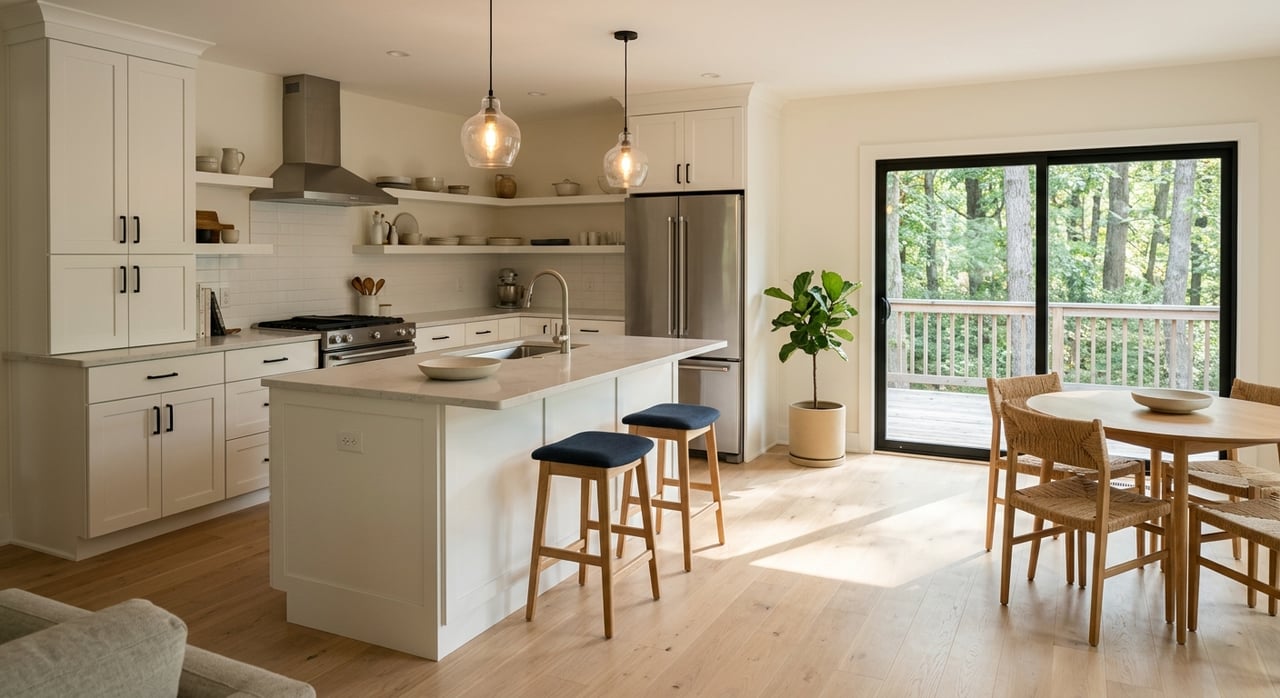
The outside of your home sets the tone before a buyer ever steps inside. Simple improvements like tidying the yard, cleaning the entry, and making the front approach look cared for can help create a stronger first impression.
Curb appeal is one of the most common seller recommendations for a reason. Buyers often start forming opinions from the moment they arrive.
Staging does not have to be expensive or dramatic. At its core, it is temporary furnishing or decorating that helps buyers understand the home’s layout and imagine how they might live there.
NAR’s 2025 staging report found that 49% of agents said staging reduced time on market, and 29% said it increased value by 1% to 10%. The reported median cost of a staging service was $1,500, so even modest staging can be worth considering depending on your goals and price point.
Once your home is listed, showing readiness can directly affect buyer interest. A strong online presentation gets people through the door, but the in-person experience helps them decide whether to take the next step.
NAR’s seller checklist offers practical showing-day steps that can help your home feel brighter, cleaner, and easier to tour.
Before a showing, try to:
These details may seem small, but they help buyers stay focused on the home itself. In a market connected to relocation traffic, that kind of clarity can matter even more.
Many sellers wonder whether they should fix everything before listing. The answer depends on your home, your timeline, and your budget, but one point is consistent: known issues should not catch you off guard.
NAR advises that if a roof, HVAC system, or appliance needs a significant repair, you should estimate the cost even if you do not plan to complete the work before listing. Buyers are likely to factor those costs into their offers and negotiations.
In Missouri, a pre-sale home inspection is not required. Missouri law also says local governments cannot require a pre-sale home inspection of residential property, with limited exceptions for things like certain new-construction or occupancy-permit requirements.
Still, a pre-listing inspection can be useful. It may help you identify issues early, estimate costs, and reduce surprises later when a buyer orders their own inspection.
A pre-sale inspection can cover items such as:
That does not mean every seller needs one. It does mean that understanding your home’s condition before you list can help you make better decisions.
Disclosure is one of the most important parts of selling a home. In Missouri, a seller’s agent has a duty to disclose adverse material facts actually known or that should have been known, but the law does not require the agent to independently inspect the property or verify the seller’s statements.
For you as a seller, that means honesty and organization matter. If you know about a significant issue, it is better to address it clearly and early than let it become a problem during negotiations.
If your home was built before 1978, lead-based paint rules may apply. For most pre-1978 housing, sellers and agents must disclose known lead-based paint and lead hazards, provide available records and reports, give the buyer the lead information pamphlet, and allow a 10-day window for an inspection or risk assessment.
If an inspection uncovers a problem before listing, that can affect what needs to be disclosed. This is one more reason it helps to have your paperwork and property history organized before your home hits the market.
Waynesville is closely tied to Fort Leonard Wood, and that local connection affects the rhythm of the market. Fort Leonard Wood trains nearly 80,000 military and civilians each year, and its Housing Office supports off-post housing needs and home buying counseling.
That suggests a meaningful share of nearby buyers may be moving on military relocation timelines. For sellers, that often means buyers may value homes that are priced clearly, shown well, and supported by clean, ready-to-review paperwork.
In a Fort Leonard Wood-area market, timing can be tighter than many sellers expect. Some buyers may be comparing options quickly, touring remotely, or trying to align a move with official relocation deadlines.
That is where local seller representation matters most. The right support is not just about putting your home online. It is about helping you price accurately, prepare efficiently, coordinate disclosures, manage showings, and negotiate with fewer surprises.
If you are getting ready to list, focus on the steps that create the biggest impact first. You do not need to do everything at once, but you do need a plan that fits your property and your timeline.
A smart starting point is to:
Selling in Waynesville can go smoothly when your home enters the market in the right condition, at the right price, with the right expectations. If you want practical guidance tailored to your timeline and property, Savanna Rudloff can help you create a plan that makes sense for your next move.
Stay up to date on the latest real estate trends.


Whether you're buying your first lake home, upgrading to a waterfront property, or preparing to sell, having experienced local guidance makes all the difference. Our team provides insider knowledge, personalized support, and access to the latest opportunities around Lake Ozark so you can move forward with confidence.

Rudloff Legacy Group
2935 Bagnell Dam Blvd Ste 214 Lake Ozark, MO 65049 Office Address: 800 E 101st Terr, Ste 350 Kansas City, MO 64131